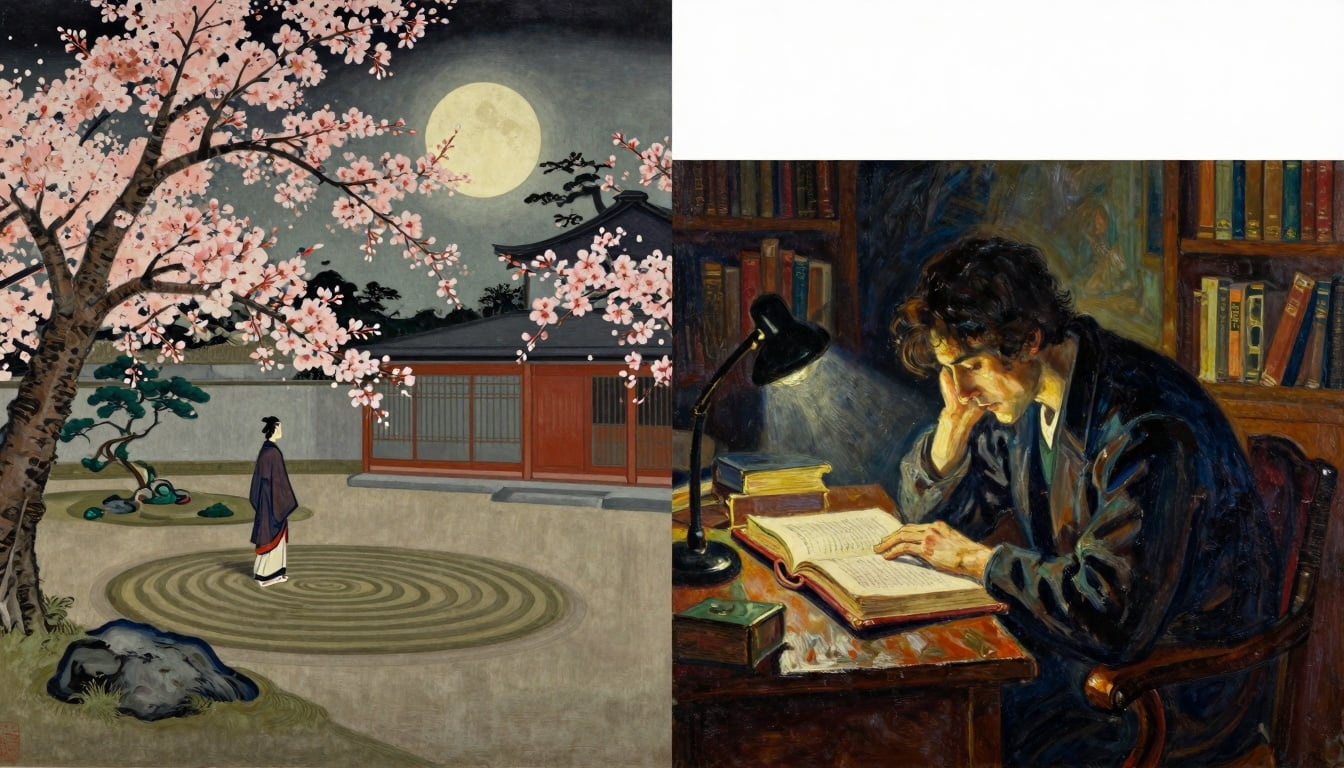
Novels pull you into different worlds, no matter where you live. But have you ever noticed how a story from Japan feels worlds apart from one by an American author? These differences stem from deep cultural roots, shaping everything from heroes to endings. We'll look at East Asian tales—think Chinese, Japanese, and Korean works—and compare them to European and American ones. This dive reveals key splits in philosophy and structure that make each tradition unique.
The Novel as a Cultural Artifact
The novel didn't pop up everywhere at once. In the West, it bloomed in the 18th century with books like Robinson Crusoe, focusing on one person's grit. East Asian stories go back further, to ancient epics that blend poetry and prose, like China's Dream of the Red Chamber. These forms mirror big ideas: Western ones chase personal dreams, while Eastern tales weave family and society into the plot. Over time, this split grew, with Western novels hitting sales peaks—over 2 billion copies yearly in the U.S. alone—versus Eastern works that often stay rooted in oral traditions.
Setting the Stage: Why These Differences Matter
Spotting these gaps isn't just fun; it sharpens your reading skills. You start to see why a character suffers in silence or fights back loud. For writers, it opens doors to mix styles, like adding Eastern subtlety to a Western thriller. In our global book market, where cross-cultural hits like The Alchemist blend vibes, knowing this helps you craft stories that click with more readers. Think of it as a map for better tales.
Section 1: Philosophical Foundations and Thematic Focus
Stories don't just entertain; they reflect how people view life. Western novels often build on ideas like free choice and self-growth, drawn from thinkers like Sartre. Eastern ones lean on harmony and balance, echoing Confucius or Zen. This base colors what drives the plot and tugs at your heart.
The Western Emphasis on Individualism and Agency
Western tales spotlight one hero's path. You follow their bold moves and inner battles, like in The Great Gatsby, where ambition crashes against reality. Free will reigns—characters pick their fate, for better or worse.
Exploration of the "Hero's Journey" Archetype in Western Literature
Take Joseph Campbell's hero's journey: a call to adventure, trials, and a big return. It's everywhere, from Harry Potter to Star Wars. This arc keeps you hooked on personal wins.
The Role of Guilt, Ambition, and Self-Actualization as Primary Drivers
Guilt eats at heroes, pushing change. Ambition fuels rises and falls, while self-growth means facing fears head-on. These pulls make Western novels feel urgent and raw.
The Eastern Focus on Collectivism and Interconnectedness
Shift to the East, and it's about the group. Duty to family or village trumps solo glory, as in Korean novel The Vegetarian, where one woman's choice ripples through all. Harmony matters; breaking it brings quiet pain.
To weave this in your writing, let social ties nudge characters gently. Show a hero skipping a dream to honor parents—it adds depth without big speeches.
Time, Fate, and Causality
Time flows straight in Western books, marching to a clear goal. Eastern stories often circle like seasons, tying fate to nature's rhythm.
Western Causality: Clear Cause-and-Effect Driving Plot Resolution
One act sparks the next, leading to tidy ends. In Pride and Prejudice, misunderstandings build to a neat fix.
Eastern Causality: Emphasis on Karmic Residue or Inherited Circumstance
Karma lingers from past lives, shaping now. Japanese works like Norwegian Wood hint at cycles, leaving you pondering loose threads.
Section 2: Structural Elements and Narrative Voice
Philosophy shapes the bones of a book. Western structures push forward with tight plots; Eastern ones meander like a river, rich in details. Voice matters too—whose eyes do you see through?
Narration Style: Internal vs. External Focus
Western voices dive deep inside minds, unpacking thoughts. Eastern ones watch from outside, letting actions and scenes speak.
Western Deep Dive into Subconscious Motivation (e.g., Modernist Examples)
Stream-of-consciousness in Ulysses by Joyce lays bare wild inner worlds. It feels intimate, like peeking into secrets.
Eastern Emphasis on Surface Detail Reflecting Deeper Spiritual States (e.g., The Tale of Genji Influence)
In Murasaki's The Tale of Genji, cherry blossoms hint at fleeting love. Details paint emotions without spelling them out.
Plot Mechanics and Resolution
Western plots climb to a peak, then drop to closure. Eastern ones spread out, like episodes in Journey to the West, full of side paths.
Look at a Victorian gem like Jane Eyre—every twist ties up neat. Contrast that with sprawling Chinese classics, where tales branch and fade, mirroring life's mess.
Use of Dialogue and Silence
Talk flows free in the West, hashing out fights. Silence? It screams tension. In East Asian books, pauses hold wisdom or shame. A quiet nod can say more than words, building respect or hidden hurt.
Section 3: Character Development and Portrayal
Characters breathe life into stories. But how they're built flips between East and West. One side molds giants; the other, everyday folks in a web.
The Nature of the Protagonist
Western leads stand out—flawed but fierce, like Holden in The Catcher in the Rye. Eastern ones blend in, representing their world, enduring quietly.
Western Character Development: Transformation or Downfall as the Central Arc
Arcs bend big: growth or crash. You root for their shift.
Eastern Character Development: Endurance, Acceptance, or Subtle Shifts in Perspective within an Unchanging Societal Structure
Change creeps slow. In Kitchen by Banana Yoshimoto, grief softens views, but society stays firm.
The Role of Setting and Environment
Settings fight back in Western tales, like stormy moors in Wuthering Heights. In the East, nature joins the cast—mountains whisper fate.
Japanese wabi-sabi celebrates imperfection in scenes, like weathered leaves showing time's gentle touch. It makes worlds feel alive and tied to spirits.
Relationship Dynamics: Conflict vs. Harmony
Western bonds clash loud—hero versus foe. Eastern ones layer duties, like in master-servant ties from Musashi. Power hums under calm surfaces, testing loyalty over brawls.
Section 4: Stylistic Differences: Language and Imagery
Words paint pictures, but styles vary. Western prose snaps crisp; Eastern flows poetic, like silk threads.
Linguistic Structure and Sentence Flow
English builds straight: subject does verb. Asian tongues layer context, creating rhythms that build slow. This leads to punchy Western lines versus Eastern webs of meaning.
Imagery and Symbolism
Western symbols spell lessons, like a white whale for obsession in Moby-Dick. Eastern ones evoke through nature—a lone crane for solitude in haiku-inspired prose.
Try this tip: Show feelings via scents or sights, like rain on bamboo for loss. It pulls readers in without heavy explanation.
Pacing and Exposition
Western books jump to action, backstory in bites. Eastern ones linger, building mood with long scenes. Before a duel in a samurai tale, you might stroll gardens first—it sets the soul.
Conclusion: Synthesis and the Modern Hybrid Novel
Eastern and Western novels split on big lines: solo quests versus group ties, straight paths versus loops, bold clashes versus soft hints. These roots craft distinct flavors, from introspective Western depths to Eastern poetic flows. Yet today, borders blur.
Key Takeaways: Charting the Narrative Compass
- Western stories thrive on personal change and clear wins; Eastern ones stress balance and subtle fate.
- Plots in the West peak sharp; East spreads wide with open ends.
- Characters: Lone wolves versus social threads.
- Styles favor direct symbols West-side, nature's whispers East.
- Mix them for fresh tales that speak global.
The Future: Globalized Storytelling
Writers now fuse these worlds, like in Pachinko by Min Jin Lee, blending Korean endurance with American drive. You can too—grab Eastern quiet for your next plot twist. Pick up a book from both sides today; your stories will thank you. What differences surprise you most? Dive in and find out.
